
What Should a Police Drone Be Allowed to Do?
Follow one emergency call from dispatch to the day someone asks what happened to the footage.
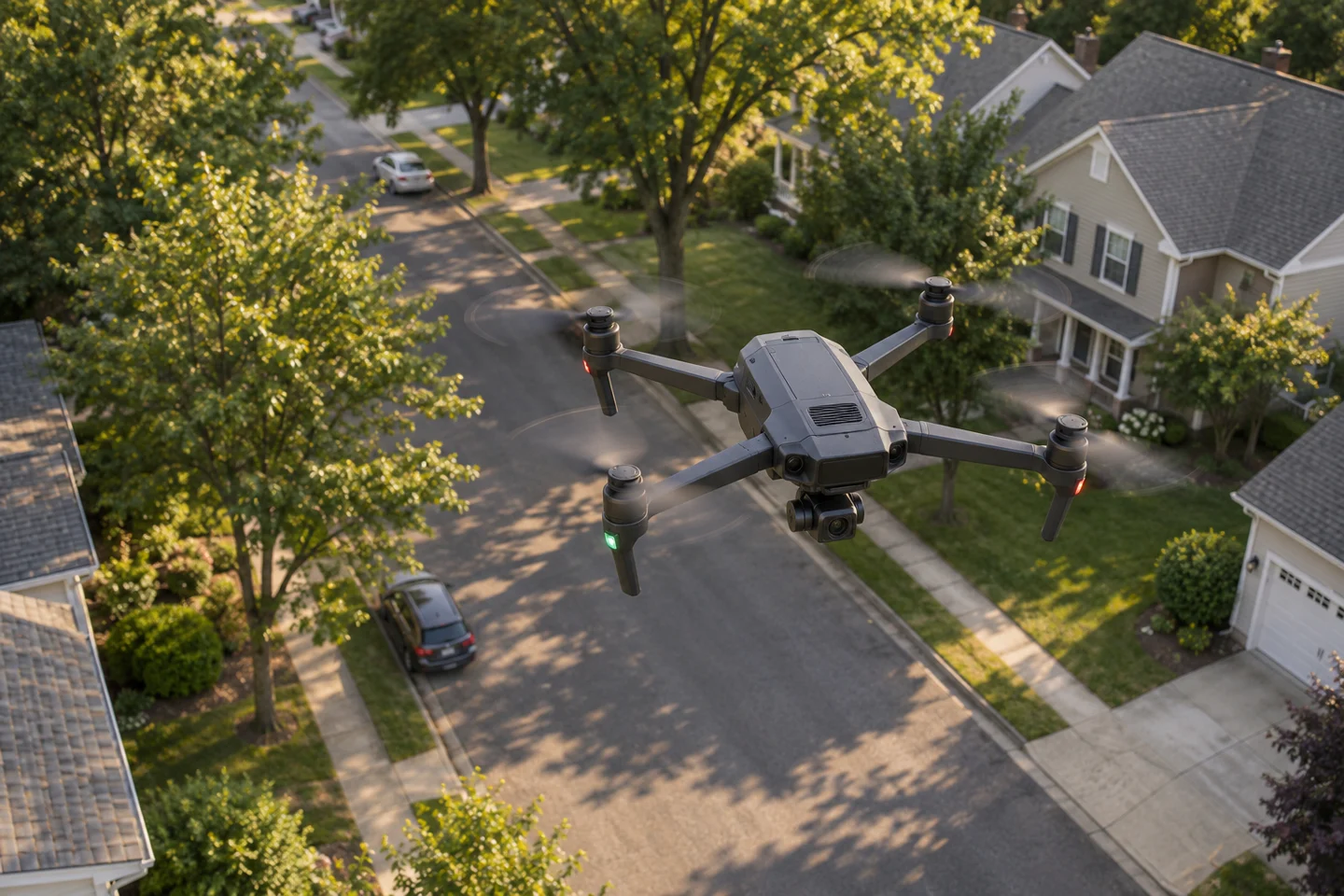
If there’s a police drone over my street, I want to know why it’s there. I’d ask the same thing if it were over my house. And if your answer is “Just trust us,” you haven’t really answered the question.
A reason to send it
Say somebody calls 911 about a crash. It’s dark, they’re shaken up, and they aren’t sure which road they’re on. A drone may help responders find the crash and tell them where to go. That’s the idea behind Drone as First Responder, or DFR: get a look at an emergency before the first crew gets there. The drone doesn’t get anybody out of a car. It can help the people who do get to the right place faster.
I’d want the department to be able to say why it sent the drone on that call. What did we need to know? Was the drone a reasonable way to find out? If we can’t answer those questions without saying “because we can,” that’s a problem. The fact that a program has permission to fly doesn’t answer every question about what its cameras should be used for.
Know when the job is over
Once responders know where the crash is, there may still be a reason to keep looking at the scene. If there is, someone should be able to explain it. Once the reason is gone, I’d expect the drone to leave. Nobody on that block signed up to have their evening turned into something for us to watch just because there was an emergency nearby.
A camera can pick up things nobody set out to record. You might see a driveway, a neighbor walking their dog, or part of someone’s yard. That’s one issue. Going back later to study what that neighbor was doing is a different decision. If somebody wants to use footage for a different purpose, I’d expect them to explain why they’re allowed to do that and leave a record somebody else can check.
The bigger questions come after landing
Who can pull up the footage? Who can send it outside the department? How long is it kept, and what happens if it’s evidence or has to be preserved? I want those questions answered before the first flight. If “our vendor handles that” is as far as we get, we haven’t done our job.
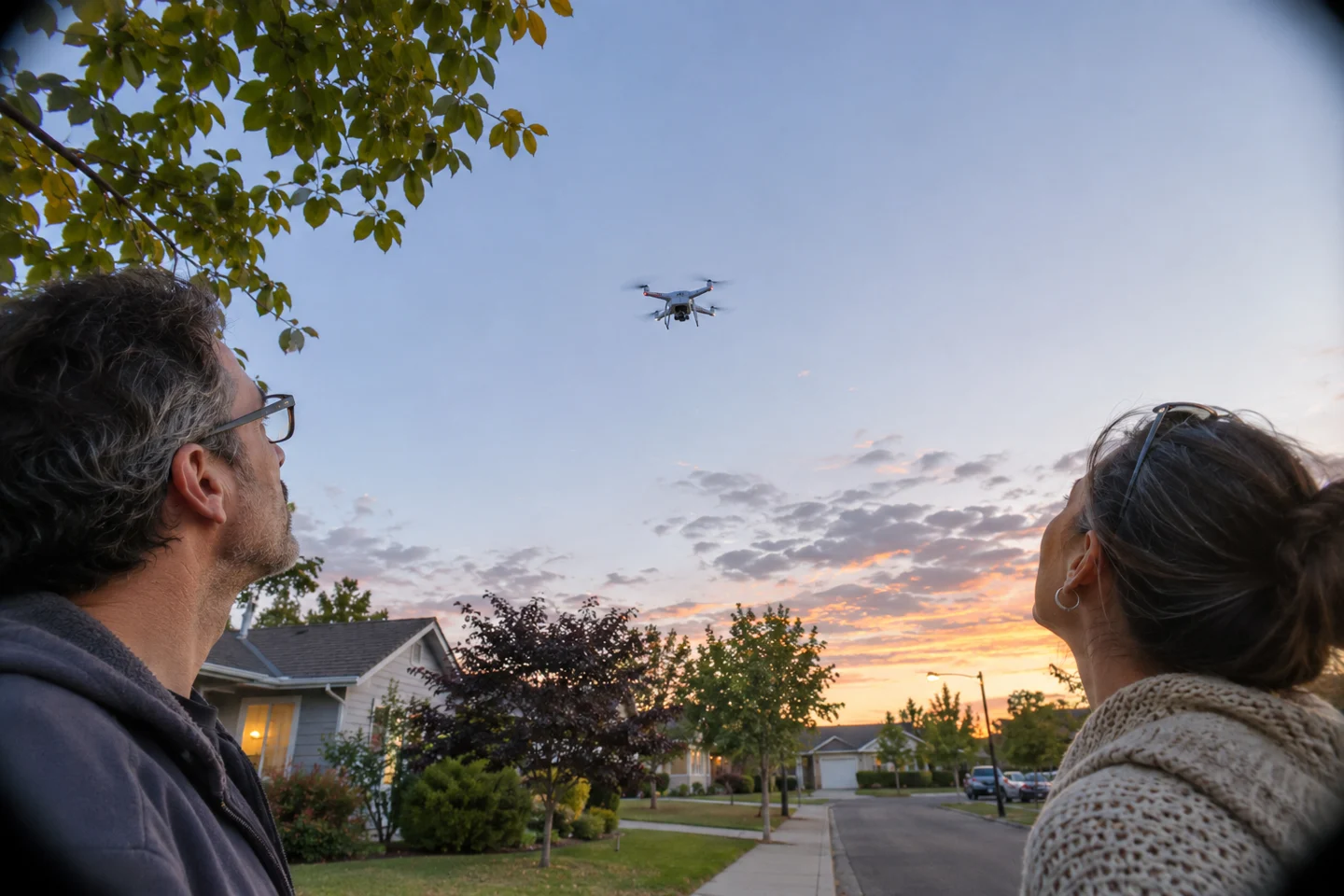
Picture someone calling to say, “That drone was over my house last night. I want to know what happened.” A supervisor should be able to look up the reason for the flight, see how the footage was handled, and follow up if somebody went outside the rules. The person shouldn’t have to know who operates the drone just to figure out where to take a complaint.
Show me what it changed
I’d want the public to be able to read the basic rules, see what kinds of calls the drones go to, and know where to go with a concern. The department can explain that without posting somebody’s footage or getting into the details of an active case.
And if you tell me you flew a thousand times, my next question is, “What did it do for you?” Did responders find people faster? Did a crew get sent to the right place sooner? How often did the drone get there and not add anything? I’d rather hear the honest answer to those questions than see a big flight count in a presentation.
I can see a lot of value in getting help to the right place faster. I also understand why somebody looking out their window wants to know who’s watching and why. A department that wants the public to take the benefits seriously ought to take that question just as seriously.
Comments
Comments are reviewed before they appear. Use a display name and leave out personal information.