
When You Call 911 at 3 A.M., Who’s Coming to Help?
Budget debates get clearer when you start with the person who needs help and ask who can actually get there.
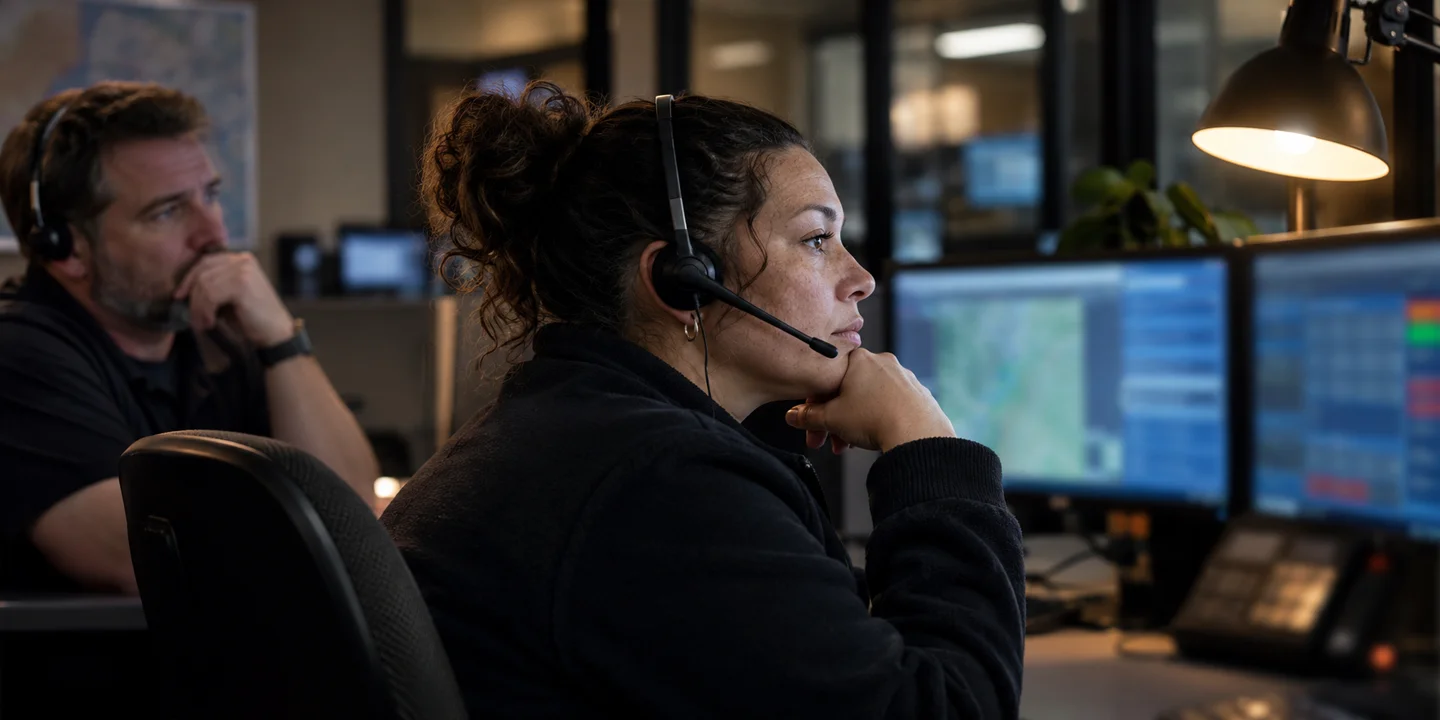
Picture a mom calling 911 at three in the morning. Her adult son is in a mental health crisis. He’s scared, she’s scared, and she doesn’t know how to help him. She wants someone there who knows what they’re doing. She also wants to know her son will be safe when they get there. Whatever side you came down on in the defund debate, what would you tell her about who’s coming?
My answer to the defund debate is this: the slogan was a warning about broken trust, and city leaders should have listened. It wasn’t a complete public-safety plan. The mom on that 911 call is why I make that distinction. Before we cut or add a dollar, tell her what will actually change when she picks up the phone. If the right person to send is a crisis clinician, great. Is someone actually on duty? Can they get there in time? Can dispatch get them more help if the call turns out to be different from what it sounded like on the phone? I’m open to someone other than a cop taking that call. I just don’t want that mother finding out in the middle of it that the city only funded the program during business hours.
Listen to what people were mad about
I think a lot of cops heard “defund” and assumed the person saying it hated them. For some people, the budget was the only thing left they thought they had any say over. They’d complained about how officers treated them. They’d seen misconduct go unaddressed. Then the department asked for more money, and nobody could explain what was going to be different this time.
You can live on a block where your kids get stopped for reasons nobody can explain and still want the police to do something about the shootings. Those aren’t competing demands. You want your kids left alone when they haven’t done anything wrong, and you want help when someone is hurting them. If I’m a police supervisor, my first job in that conversation is to hear both. Telling somebody they don’t understand policing is a quick way to miss what they understand just fine about their own neighborhood.
And for my fellow cops: you don’t get to stop serving a neighborhood because the people there are mad at you. If a stop wasn’t worth making in the first place, make fewer of those. A victim still deserves your best work, no matter what you think of City Hall or what somebody called you online.
Build the service before you count on it
Police get sent to problems that don’t always need a police officer. A clinician might be a better fit for some crisis calls. An outreach worker might get further with someone who needs housing or treatment. A mediator might actually settle the neighbor dispute we keep getting called back to. If you can give people better help and free officers to work on violence and other calls that need them, I want to see that happen.
But somebody has to hire and train those teams, cover the overnight shift, and give dispatch a way to reach them. Decide who takes the calls they can handle and who helps when they’re tied up. And tell the public what the service can and can’t do. I wouldn’t take away an existing response and count a program that’s still hiring as its replacement. The person making that 911 call won’t care which budget line was supposed to cover it.
Show us what the money bought
Good training costs money. So do good dispatch, careful hiring, supervision, and serious investigations into misconduct. A bigger budget doesn’t guarantee a department will do any of those things well. If you bought new equipment while putting off the training your officers needed, people have every right to ask why. And if you’re cutting a budget, tell us which service you can afford to lose and how you know people will still get what they need.
I’d ask a city to show its work. If you moved certain calls to a crisis team, how many did it actually take? How long did people wait? How often did the team need another responder, and what happened to people after the call? If you funded better police training or supervision, show what changed in practice and what still needs work. Look at complaints and outcomes, and ask residents about the help they actually got. You’ll learn more from that than you will from a dollar figure or a press conference.
We send cops to plenty of problems that started long before anybody dialed 911. Police still have to answer for how they handle those calls. City leaders have to answer for whether there was anybody else to send. Start with that mom at three in the morning. Tell her who’s coming, what they’re ready to do, and who’ll answer to her if the plan fails.
Comments
Comments are reviewed before they appear. Use a display name and leave out personal information.