
When a Cop Says “Officer Safety,” What Are They Actually Worried About?
Safety is a real concern. The public deserves to hear what makes it a concern on this call.
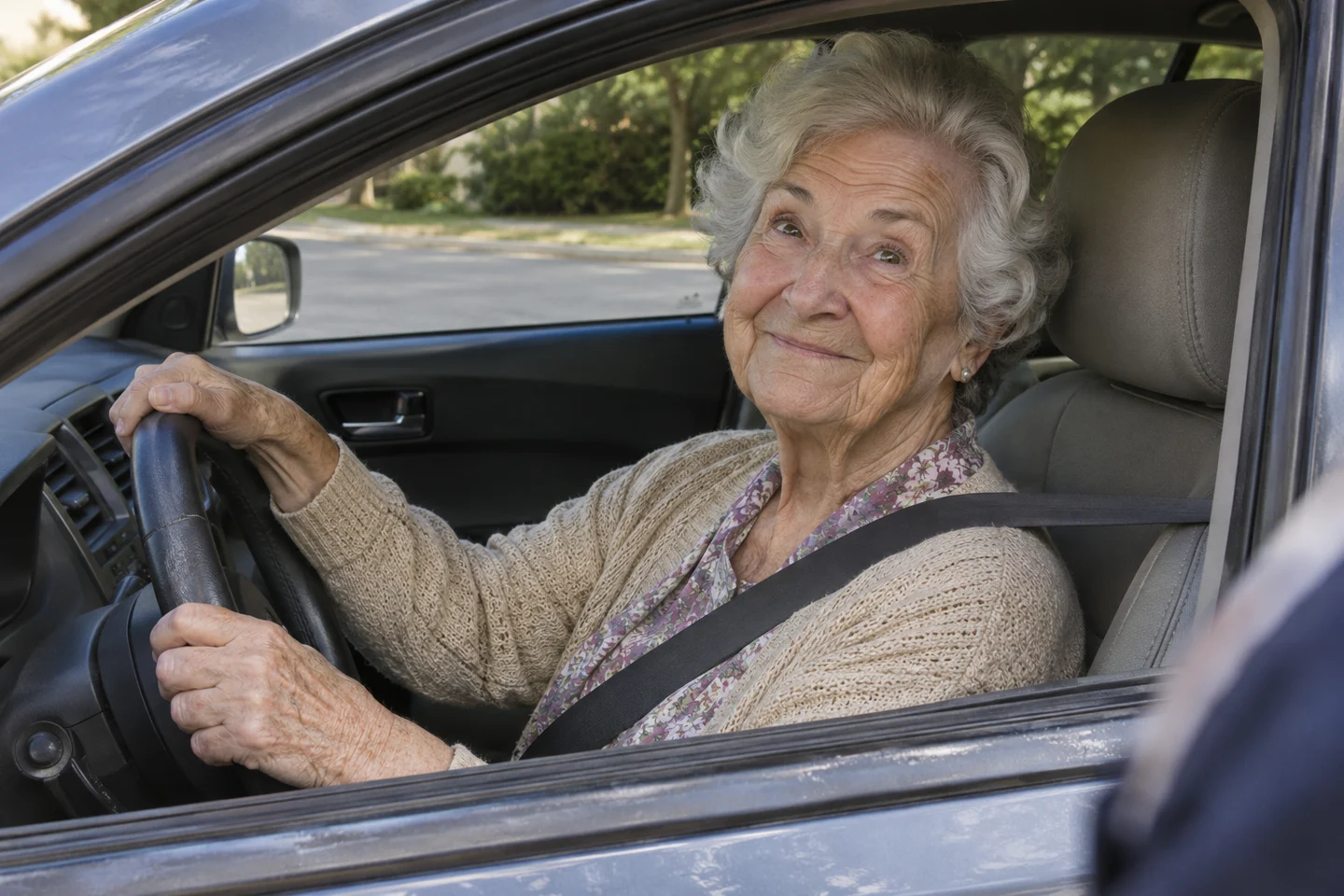
Picture an officer walking up to a car. The woman behind the wheel looks like somebody’s grandma. She’s got both hands on the wheel and asks, “Why’d you pull me over, hon?” The officer tightens up the stop and calls it officer safety. Okay. What did she do that made it a safety issue?
Her age doesn’t tell me the stop is safe any more than her question tells me it’s dangerous. If I’m her, I want to know what the officer saw that I didn’t. If I’m the supervisor reviewing it, I want the same answer.
A stop can be dangerous. What made this one different?
I’ve been on the roadside at night, walking up to a car with very little information about the people inside. I don’t know why somebody looks nervous. It might be because they’ve never been pulled over before, or because they’re already late getting home. It might be something more serious. I’m going to pay attention either way.
But the uncertainty that makes me alert doesn’t tell me what any particular person is about to do. That’s the distinction I care about. If an officer heard someone in the car make a direct threat, I’d expect that to affect how they handle the call. If what the officer heard was “Why did you stop me?” I’d expect them to answer the question when they can. Both conversations might feel tense. Only one gives you a threat you can actually describe.
It helps to put it in order. What did you know before things changed? What did you see or hear? What did you think might happen, and why would the step you took help? If the explanation starts with new information that came in five minutes later, you haven’t explained the decision you made five minutes earlier.
Don’t make people pay for being honest
Say a driver tells the officer they’re lawfully carrying a firearm. I don’t expect the officer to ignore that information. I also don’t want the driver’s honesty to be the only thing that turns an ordinary stop into a much bigger deal. The reason for the stop, the person’s behavior, and what else the officer knows all matter.
Think about what people learn from those encounters. If the person who is up front with you feels they got treated as though they’d done something wrong, why would they have confidence the next stop will go any better? That’s a trust problem we create ourselves. This is where you have to separate the information the driver gave you from how you felt about hearing it.
Discomfort can feel a lot like danger
Nobody likes having a camera pointed at them in the middle of a tense moment. Nobody likes being talked to like they’re an idiot, either. I’m not asking officers to enjoy it. I’m asking them to recognize what’s happening before they let it drive the next decision.
Cops have a word for explaining what they saw and why it mattered: articulation. It sounds like report-writing language, but the idea is simple. If you tell me, “He acted suspicious,” I still don’t know what he did. If you tell me he was nervous, I still want to know what made that nervousness meaningful. And if the real problem was that he challenged you in front of somebody else, that’s something you can deal with without making it his problem.
When you can explain a precaution without making the situation worse, explain it. When the specific concern goes away, reassess what you’re still asking of the person. A decision that made sense a minute ago doesn’t get to run on autopilot for the rest of the stop.
I want officers to go home safe. I want the people they stop to go home safe, too, without having to wonder whether asking a question made the encounter worse. An officer might not have time to explain every decision in the moment. Afterward, though, we ought to be able to give the public a better answer than two words.
Comments
Comments are reviewed before they appear. Use a display name and leave out personal information.