
If We Want Cops to Use Less Force, What Are We Training Them to Do?
What officers practice before a stressful call shapes the choices they have when it happens.
Picture a call outside a grocery store. A man is yelling after an argument. The employee who called wants him to settle down or leave. The first officer asks a question. The man starts answering, then two other officers start talking over him. Pretty soon everybody’s louder, nobody’s listening, and the officers are treating his frustration like it’s a new emergency.
Now picture the same call with one person talking and the other officers giving the conversation room to work. The employee gets to explain what happened. The man gets a clear answer about what’s being asked of him. The call might still take a turn, but at least the officers aren’t adding to the problem.
If you’re the person in that parking lot, you shouldn’t have to hope you got the one officer who knows how to slow down. But let’s assume this call changes and force really does become necessary. Here’s the part we don’t talk about enough: restraint takes skill. An officer who’s practiced making decisions under physical pressure may have a lower-force option they can actually use. That’s a different thing from knowing what the policy says in a classroom.
More options, less panic
When people see a bad use of force, they ask why the officer did what they did. Fair question. I also want to know what happened before that. Did the officer recognize what was changing? Were they frustrated because the person wasn’t listening, or was there a real danger they could point to? When another officer showed up, did that help or just give the person one more voice to sort out?
Sometimes the answer is that an officer acted out of anger or ego. Sometimes the officer was in over their head and reached for whatever felt like it would end the uncertainty. Both can produce a bad outcome. If we stop at “that cop should’ve known better,” we can miss a chance to keep the next officer from making the same mistake.
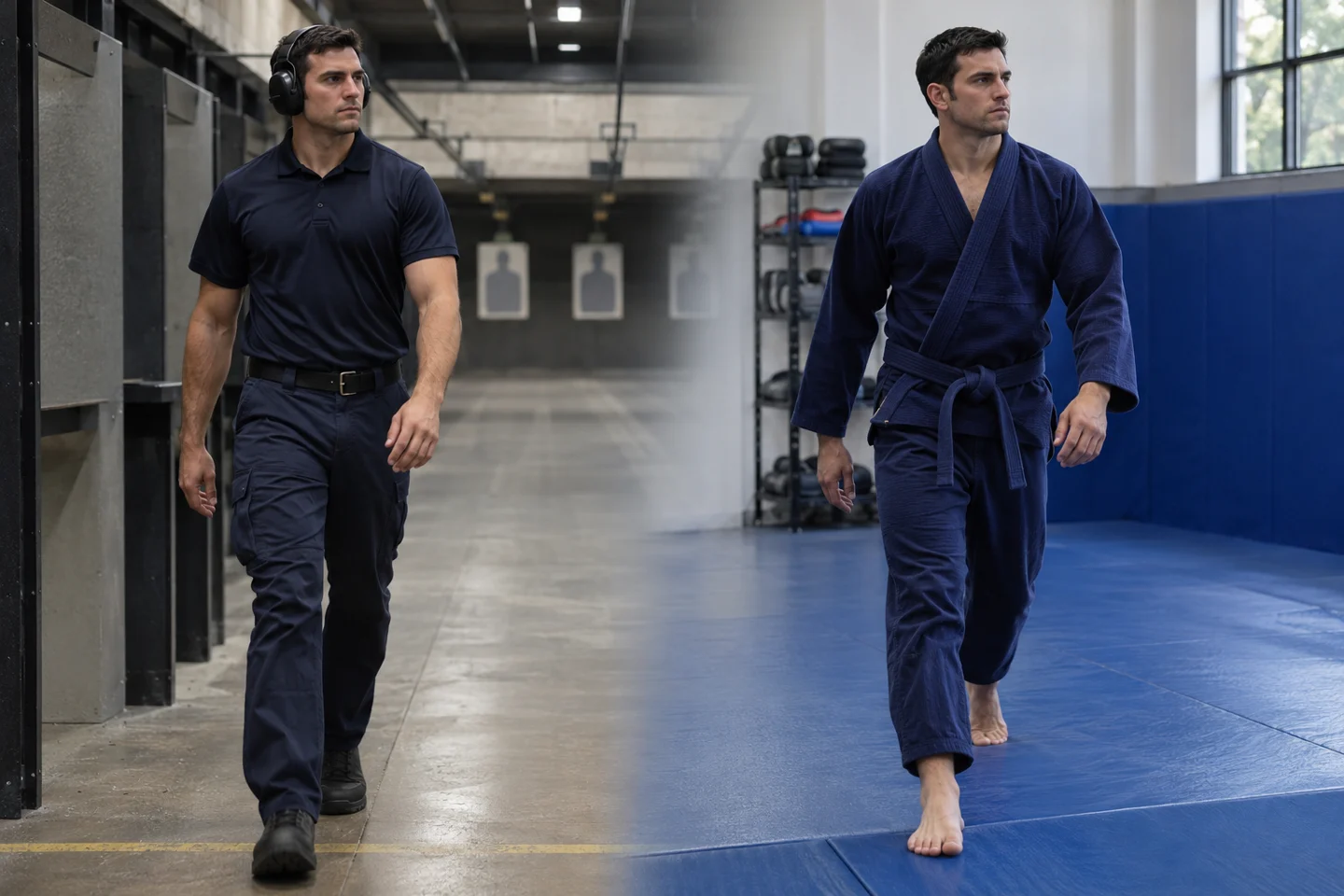
The range teaches an important skill. It doesn’t prepare you for every kind of pressure you’ll face on the street. That’s where supervised work on the mats comes in. You get used to being uncomfortable without treating every bad moment like an emergency. I want an officer to have enough practice to stay calm and reassess instead of escalating out of panic. The point of the mats isn’t to make cops eager to go hands-on. It’s to give them more choices on the calls where they already have to act.
Stop giving credit for showing up
An academy starts the work. It doesn’t finish it. What I want to see is regular practice, on paid time, where officers have to think through realistic problems and get actual feedback. Make the grocery store call a training scenario. Let it go a couple of different ways. Did the officer hear the answer to the question they asked? Did anyone catch two people giving different directions? Did the officer stop and reassess when things calmed down? Tell them what they missed and let them run it again.
I’d hold people to a skill standard instead of treating attendance like proof they’re ready. I’ve floated the idea of blue-belt-level competence in grappling as a benchmark worth talking about. The point isn’t to make officers collect a belt. I want us to be able to say what competence looks like, test it under supervision, and come back to it often enough that we know people still have it. I want that same seriousness about communication and judgment. Somebody can be great on a mat and still make a lousy decision in a parking lot.
Accountability includes what the department did before the call
If an officer uses unnecessary force, deal with it. Being undertrained can help explain how we got there. It doesn’t erase what happened to the person on the other end of it. Review the encounter, hold the officer responsible where appropriate, and ask what the supervisors and training staff are going to do differently. I want all three of those answers, not a letter that says everybody will get a refresher.
Officers have a responsibility to take their own preparation seriously. When we use force, we’re exercising government power over somebody. That’s why I connect training to the oath we take. The public shouldn’t have to accept unnecessary force because we didn’t put in the work to prepare. Departments have the responsibility to make good training available, pay for it, and make sure shifts are staffed so people can actually go. That takes time and money. If leaders tell the community they want fewer injuries and fewer encounters that spiral, I’d ask them to point to where that shows up on the training schedule and in the budget.
The public is right to expect cops to use less force when they can. I want departments to give officers a real chance to meet that standard, then check that they’re meeting it on the street.
Comments
Comments are reviewed before they appear. Use a display name and leave out personal information.